
-
-
-

-
2026
-
- Prof. Dr. Oleg A. Grigoriev: “Smartphone and child development. Where is the line between benefit and harm?”
- Prof. Dr. Oleg A. Grigoriev: “Havana Syndrome” and the “Microwave Theory”
- 5G…, an uncontrollable, increasing threat
- Electromagnetic Weapons. Range of Uses: from Mobile Devices – to Satellites - with Professor Oleg A. Grigoriev
- Mystery «of the discombobulator»: how Trump used electromagnetic weapons when capturing Maduro - with Professor Oleg A. Grigoriev
- Cognitive warfare — ultrasound, smartphones, chemicals: NATO is developing new destruction technologies. - with Professor Oleg A. Grigoriev
- Hidden threats of human energy interactions with the conditions of industrial electronic - with Professor Oleg A. Grigoriev
- 6G – Closer than you think
- Cell Tower Fires Are Electrical Fires: What Does This Mean For Firefighters?
- Epidemiological Studies of Wireless Technologies
-
-
STILL ACTIVE APPEALS
-
-
The 5G Appeal was prepared in 2017, and is today signed by 430 scientists and doctors who are calling for the EU to halt the roll out of 5G due to serious potential health effects from this new technology. 5G will substantially increase exposure to radiofrequency electromagnetic fields (RF-EMF) on top of the 2G, 3G, 4G, Wi-Fi, etc. for telecommunications already in place. RF-EMF has been proven to be harmful for humans and the environment. Go to the 5G Appeal.
-
-

-
258 field scientists agree that humans and the environment must be better protected against harmful effects of electromagnetic fields well below the ICNIRP limits recommended by the WHO and most governments. Effects include cancer, cellular stress, genetic damages, reproduction, learning and memory deficits, neurological disorders, and harmful effects to plant and animal life. Go to the EMF Scientist Appeal page
-
-

-
Scientists and NGO’s call for Truly Protective Limits for Exposure to Electromagnetic Fields (100 kHz to 300 GHz. ICNIRP’s opinion and guidelines are unscientific and protect industry, not public health. Go to the EMF Call page
-
-
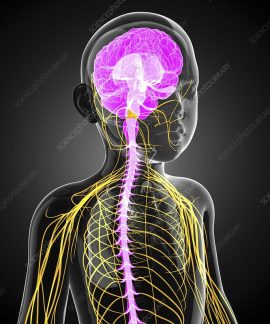
Child's central nervous system, computer artwork -
The negative effects of high-frequency EMF on the brain development of children and adolescents
-
Posted on March 7, 2025 by Multerland
-
“It is high time that the negative effects of high-frequency EMF on the brain development of children and adolescents are taken seriously!” Interview with neurobiologist Dr. Keren Grafen
-
Tag Archives: Eric van Rongen
The ICNIRP fraud: evidence based analyses
CC BY 4.0 / Open Access Published online by De Gruyter June 27, 2022 Nordhagen, Else K. and Flydal, Einar. (Norway) “Self-referencing authorships behind the ICNIRP 2020 radiation protection guidelines” Reviews on Environmental Health, vol. , no. , 2022. https://doi.org/10.1515/reveh-2022-0037 Abstract In March … Continue reading
Posted in EMF (electro magnetic field)
Tagged Anke Huss, Eleanor R. Adair, electromagnetic field, Else Nordhagen, EMF, Emilie van Deventer, environment, Eric van Rongen, EU, fraud, ICNIRP, internet, Joachim Schüz, Jokela, Kenneth Foster, Laakso, Loughran, Maria Feychting, Marino, Martin Röösli, Mike Repacholi, Oftedal, RF, Rodney Croft, safety guidelines, Scarfi, science, Sienkiewicz, telecom, Theodoros Samaras, Van Rhoon, Watanabe, WHO, Ziskin
Comments Off on The ICNIRP fraud: evidence based analyses